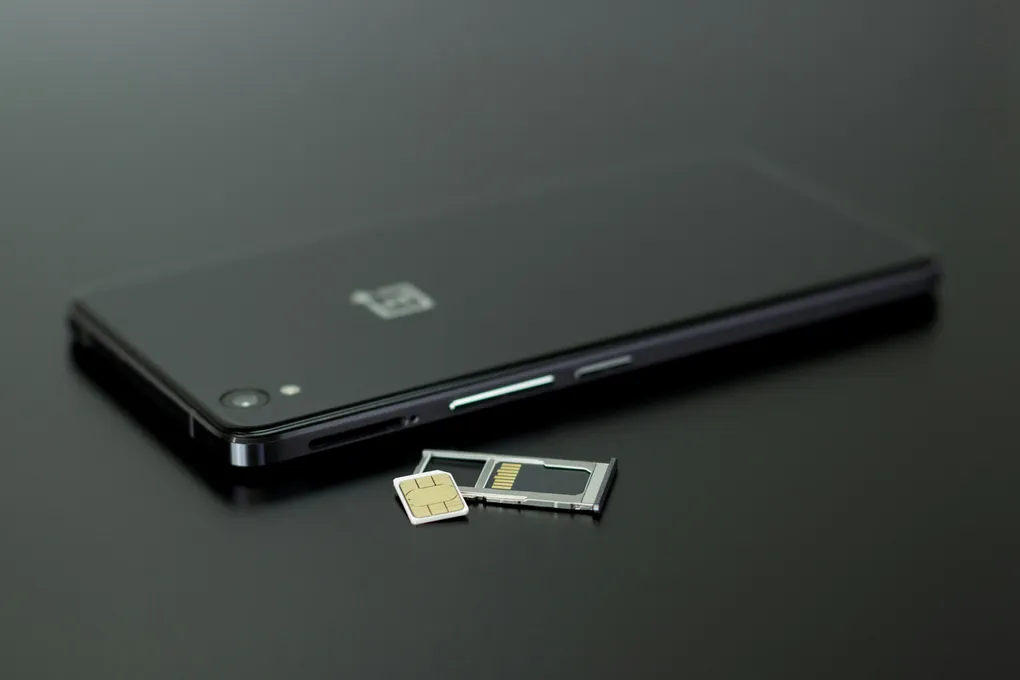
Staying connected in China is a little different because of the Great Firewall — Google, WhatsApp, Instagram and more are blocked. How you get online affects not just your wallet but whether those apps work at all. Here are your three options, compared.
Quick comparison
| International roaming | Travel eSIM | Local SIM card | |
|---|---|---|---|
| Ease of setup | Easiest (just turn it on) | Easy (install before you fly) | Hardest (passport registration) |
| Cost | Most expensive | Mid / good value | Cheapest data |
| Keeps your home number | ✅ | ✅ (data only) | ❌ (new number) |
| Bypasses the firewall? | ✅ Usually (routed home) | ✅ Often (routes via Hong Kong) | ❌ No (still need a VPN) |
| Best for | Short trips, convenience | Most travellers | Long stays, heavy data |
1. International roaming
Switching on roaming from your home carrier is the no-effort option — your phone just works on arrival, with your usual number.
- Pro: Because roaming data is often routed back through your home network, blocked apps like Google and WhatsApp typically work without a VPN.
- Con: It’s usually the priciest way to get data, though many carriers now sell flat-rate “daily roaming” passes that soften the blow.
- Best for: Short trips, or anyone who wants zero hassle and built-in firewall bypass.
2. Travel eSIM
A travel eSIM is a digital SIM you buy and install before you fly, then activate on arrival — no physical card, no shop visit. See our best eSIM for China guide.
- Pro: Great value, instant activation, and many China/Asia eSIMs route through Hong Kong, so everyday apps work without a separate VPN. You keep your home SIM for calls and texts.
- Con: Needs an eSIM-compatible phone (most since iPhone XS / recent Android). Coverage plans are data-only.
- Best for: Most travellers. Try the Klook China eSIM.
3. Local SIM card
Buy a physical SIM from China Mobile, China Unicom or China Telecom at the airport or a carrier shop.
- Pro: The cheapest data by far, with a local number useful for deliveries and some apps.
- Con: Requires passport registration (real-name rule), takes time, and crucially the data goes through the Great Firewall — so you still need a VPN for Google, WhatsApp and the rest.
- Best for: Longer stays and heavy data users who don’t mind the extra setup.
Bonus:
the Hong Kong SIM trick
If you’re transiting through Hong Kong, there’s a brilliant option: buy a Hong Kong prepaid SIM that includes mainland China data. Because the traffic routes through Hong Kong, it’s uncensored — Google, WhatsApp and the rest work with no VPN — and there’s no passport registration. Rough 2026 prices:
- CMHK (China Mobile Hong Kong) tourist SIM — around HK$78 for ~7 GB plus voice minutes and some mainland/Macau data. CMHK local & roaming SIMs start as low as HK$38.
- China Unicom (Hong Kong) — around HK$108 for a 10-day Hong Kong + mainland plan (~3 GB), uncensored and registration-free.
Grab one at the Hong Kong airport, a 7-Eleven, or a carrier shop. It’s a long-time favourite of frequent China travellers who route through HK. (Prices are approximate — check the latest before you buy.)
A handy combo
Many travellers run two at once: a travel eSIM or roaming for firewall-free data, plus their home SIM kept on for calls and 2FA texts. On a long trip, swap in a cheap local SIM later for bulk data and pair it with a VPN.
The bottom line
- Want the easiest, firewall-free option? Roaming or a travel eSIM.
- Want the cheapest data and don’t mind a VPN? A local SIM.
- Whatever you choose, set it up before you fly where you can — and always have a VPN installed as backup.