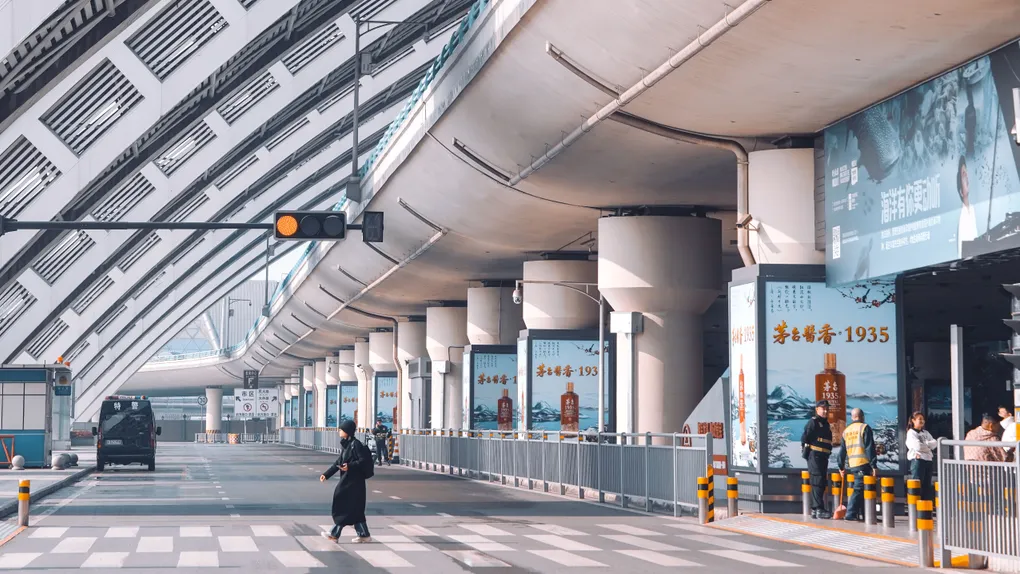
Landing in China is straightforward once you know the steps. Here’s exactly what happens between the jet bridge and the taxi rank.
1. Arrival card & health declaration
On the plane or in the arrivals hall, fill in the arrival card with your passport details and your hotel address. Many airports also use a digital customs/health declaration via a QR code or mini-program — you can often complete it in advance to skip a queue.
2. Immigration
Join the “Foreigners” line. At the desk you’ll:
- Hand over your passport (and visa, if you have one).
- Have your fingerprints scanned and a photo taken (standard for most visitors).
- Answer a couple of simple questions — purpose of visit, how long you’re staying.
If you’re entering visa-free, have your onward/return ticket and hotel booking ready to show. Once stamped, you’re in.
3. Baggage & customs
Collect your bags, then walk through customs:
- Green channel — nothing to declare (most tourists).
- Red channel — if you’re carrying large amounts of cash (over US$5,000 equivalent), restricted items, or commercial goods.
Bags are X-rayed on the way out, but usually the carry-ons only.
Don’t bring prohibited items, and keep prescription meds in their original packaging.
4. Getting connected & to the city
Before you leave the terminal:
- Turn on your eSIM so you have data immediately.
- Open your VPN if you need Google or WhatsApp.
- Get your local sim card if you want.
Then choose your route into the city:
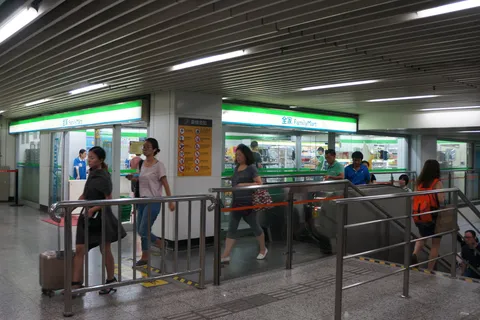
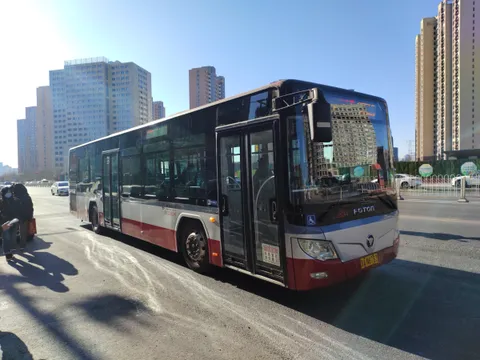
- Metro or airport express — cheapest, signed in English, pay with your Alipay QR (Wechat Pay not accepted).
- Didi (Chinese Uber) — open the app and book a car from the designated pickup area. (Didi guide)
- Private Transfer - book on Trip.com beforehand; the driver knows your flight number and will wait for you even if the flight delays.
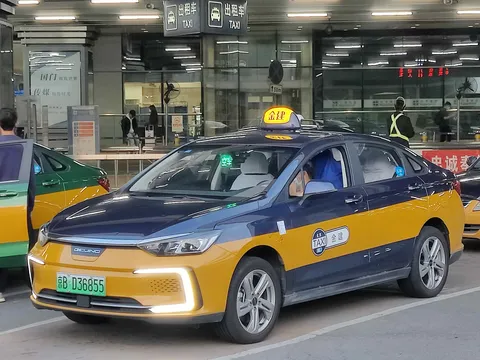
- Official taxi rank — use the marked queue, never accept “taxi?” touts inside the terminal. Taxi drivers sometimes will refuse to take you to the destination if it is too close.
Airport to City Centre in China: Transport Costs (in CNY / USD)
| City | Airport | Metro | Didi | Taxi | Private transfer |
|---|---|---|---|---|---|
| Beijing | PEK (25km) | ¥25 / $3.5 | ¥120–180 / $17–25 | ¥100–150 / $14–21 | ¥200–350 / $28–48 |
| Beijing | PKX (46km) | ¥35 / $4.8 | ¥180–250 / $25–34 | ¥200–280 / $28–39 | ¥300–450 / $41–62 |
| Shanghai | PVG (30km) | ¥7 / $1 | ¥150–200 / $21–28 | ¥170–250 / $23–34 | ¥250–400 / $34–55 |
| Guangzhou | CAN (28km) | ¥12 / $1.7 | ¥80–130 / $11–18 | ¥100–150 / $14–21 | ¥200–300 / $28–41 |
| Shenzhen | SZX (32km) | ¥7–10 / $1–1.4 | ¥80–120 / $11–17 | ¥100–130 / $14–18 | ¥180–280 / $25–39 |
| Chengdu | TFU (67km) | ¥11–13 / $1.5 | ¥280–350 / $39–48 | ¥350–500 / $48–69 | ¥400–600 / $55–83 |
| Xi’an | XIY (50km) | ¥2–9 / $0.3–1.2 | ¥100–160 / $14–22 | ¥120–180 / $17–25 | ¥180–300 / $25–41 |
¥7.25 per USD · Night fares (23:00–06:00) add ~20% · Book private transfers on Trip.com
Quick tips
- Have your hotel name and address in Chinese saved on your phone for the arrival card and drivers.
- Big hubs (Beijing, Shanghai, Guangzhou) are huge — allow time to walk and transfer.
- Keep your passport accessible; you’ll need it again to check in to your hotel.
Twenty minutes after landing you can be online, in a car, and on your way.