In China you don’t buy a bus ticket or tap a travel card — you scan a QR ride code (乘车码, chéngchē mǎ) on your phone. Set it up once and the same trick gets you onto the metro, city buses, trams and even ferries across the country. No cash, no queuing at a machine, no fumbling for the right coins. Here’s exactly how it works.
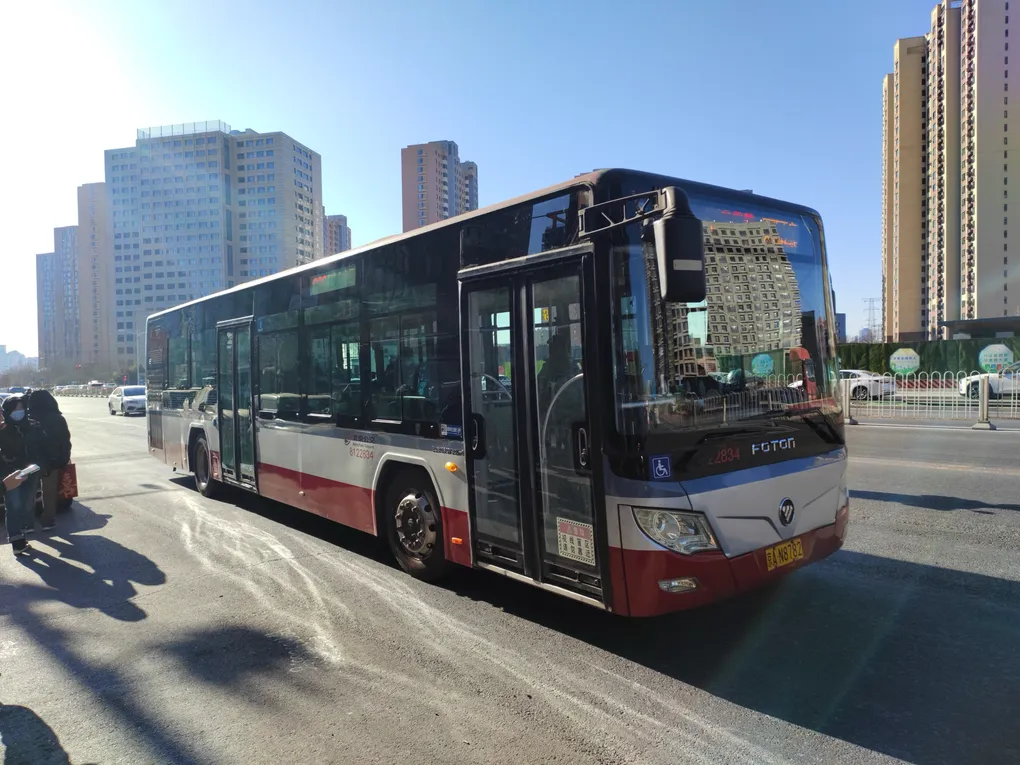
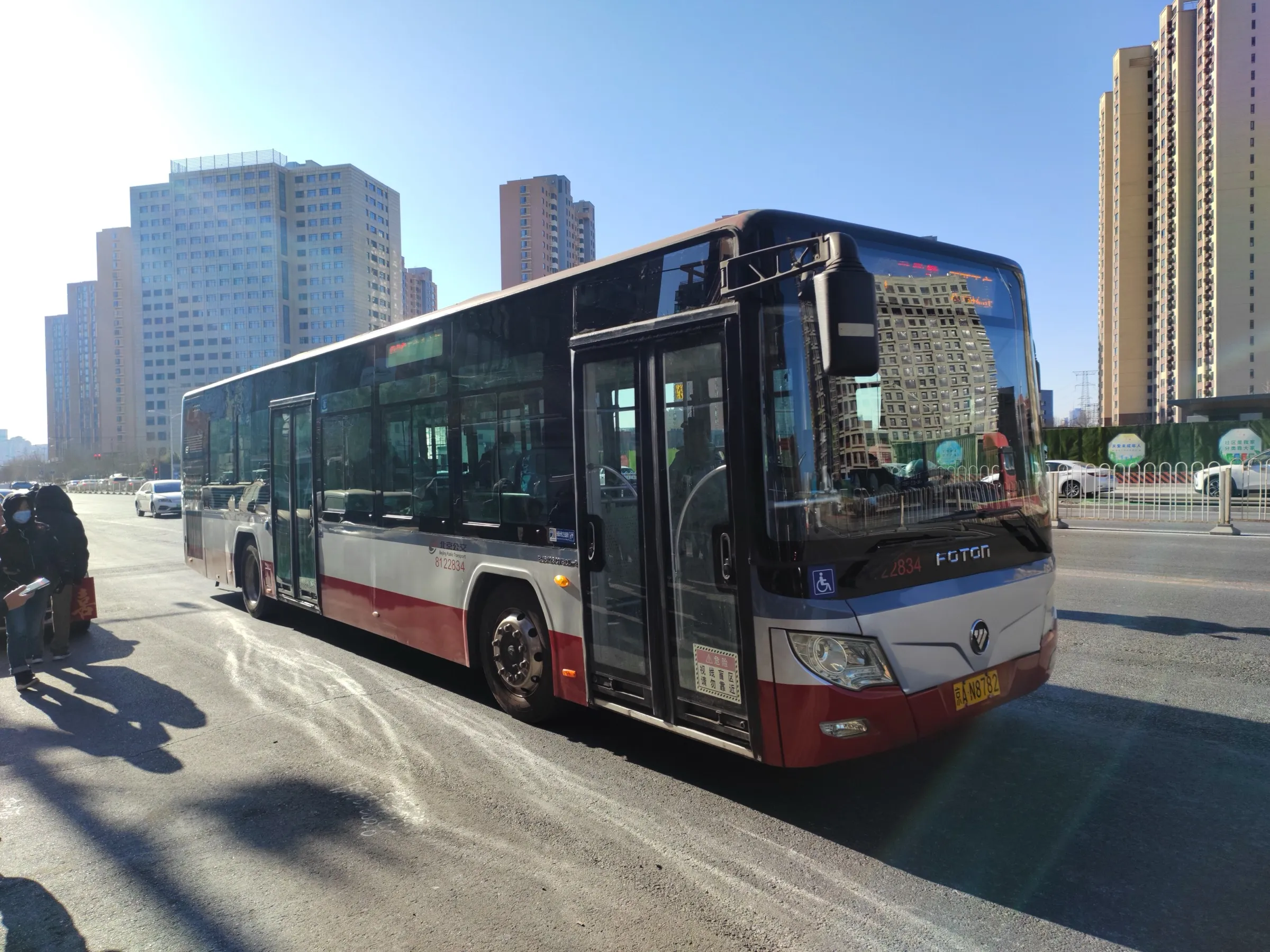 In most cities you scan a QR to ride the bus — no cash, no card.
The one-time setup
You need Alipay or WeChat Pay working first (both now accept foreign Visa/Mastercard — the payments guide walks through it). Once one of them is set up:
With Alipay (easiest for visitors):
- Open Alipay and search “Transport” (or tap the Transport / 出行 icon on the home screen).
- Alipay detects your city and offers the local metro and bus ride codes.
- Tap to activate once — you may agree to a “pay after riding” arrangement so it just deducts the fare automatically.
With WeChat:
- Search the mini-program “乘车码” (Ride Code) or your city’s transit mini-program (e.g. Beijing 亿通行, Shanghai Metro Metro大都会), add it once, and it lives in your app afterwards.
That’s it. The code is now a couple of taps away whenever you need it.
Riding the metro
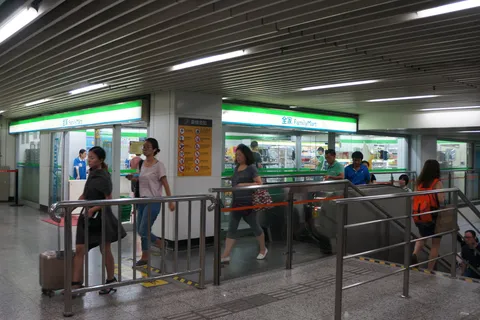
- Open the ride code and hold the QR flat against the scanner on the gate to enter.
- Scan again to exit — metro fares are distance-based, so the exit scan is what calculates your fare.
More on gates, security checks and navigation in the full metro guide.
Riding the bus
Buses are where the QR code really shines, because there’s often no other easy way to pay as a foreigner (drivers don’t give change, and exact-coin fare boxes are a pain).
- Board through the front door.
- Hold your QR code to the scanner next to the driver — it beeps green.
- That’s usually it. Most city buses charge a flat fare (often ¥1–2), so there’s no scan-off when you get off.
- A few longer suburban or BRT routes are distance-based — if so, you’ll scan again as you exit. When in doubt, watch what locals do.
No need to know the fare, carry change, or speak Chinese — the beep means you’ve paid.
Good to know
- Each city has its own system, but Alipay bridges them. Alipay auto-loads the correct local ride code wherever you are, so you rarely need to hunt for a city-specific app. WeChat sometimes needs the city’s own mini-program added.
- It works offline-ish. The QR generates on your phone and refreshes every minute; it still scans even with weak signal underground, because payment is reconciled a moment later. You do need a working data plan overall — see the eSIM guide.
- Turn your screen brightness up. Dim screens scan slowly; bright ones beep instantly.
- Keep your phone charged. A dead phone means no ride — carry a power bank.
- One code, one person. You can’t scan the same phone twice for two people on the metro gate; each traveller needs their own code (buses are sometimes more relaxed, but don’t count on it).
The alternatives
If you’d rather not rely on your phone:
- Rechargeable transit card — buy and top up with cash at any metro station; works on metro and buses. Worth it for a longer stay or if you’re travelling with kids.
- Single-journey metro ticket from a station machine (switch it to English) — fine for the occasional ride, but slower than scanning.
- Cash on the bus — technically possible if you have the exact flat fare in coins/small notes, but no change is given. Not recommended.
For late nights when the metro has stopped (usually ~10:30–11:30pm) or routes that are awkward by bus, switch to Didi.
The bottom line
Set up the Alipay or WeChat ride code before your first ride and public transport in China stops being intimidating. One QR, scanned at a gate or a bus scanner, and you can cross any Chinese city for the price of a coffee — no ticket machine, no card, no Chinese required.