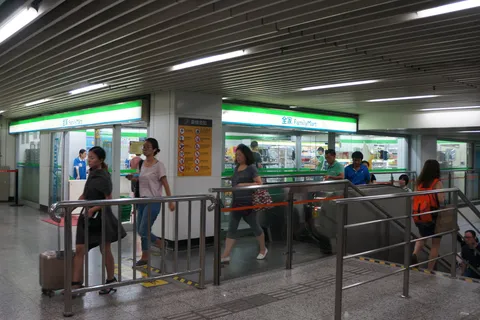
Short answer: yes. China is one of the safest countries in the world for tourists, with very low rates of violent crime and a heavy presence of cameras and police. That said, a few things are worth knowing so nothing catches you off guard.
General safety
Walking around at night, taking late trains, or being a solo traveller is generally very safe, even in big cities. Petty theft exists in crowded tourist areas and markets, so keep an eye on your phone and bag — but you’ll likely feel safer here than in many Western capitals.
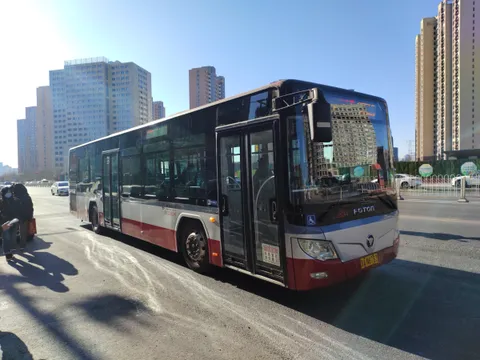
Traffic is the bigger everyday risk. Scooters and e-bikes move fast and quietly, sometimes on pavements and against the flow. Look both ways, twice.
Women travellers & unwanted attention
China is one of the safest places in the world for women, including solo travellers — serious harassment or assault is rare, and you can comfortably walk, take the metro, and travel alone at night in most cities.
What does catch many foreign women off guard is curiosity-driven attention, especially if you look visibly different — fair hair, light eyes, or tall. Outside the big international cities you may experience:
- Staring, which is usually open curiosity rather than menace.
- Photos taken without asking, and frequent requests for selfies — particularly from older people or in smaller towns.
- Occasional unwanted closeness or touching in very crowded places like packed metros, markets, or tourist queues.
How to handle it:
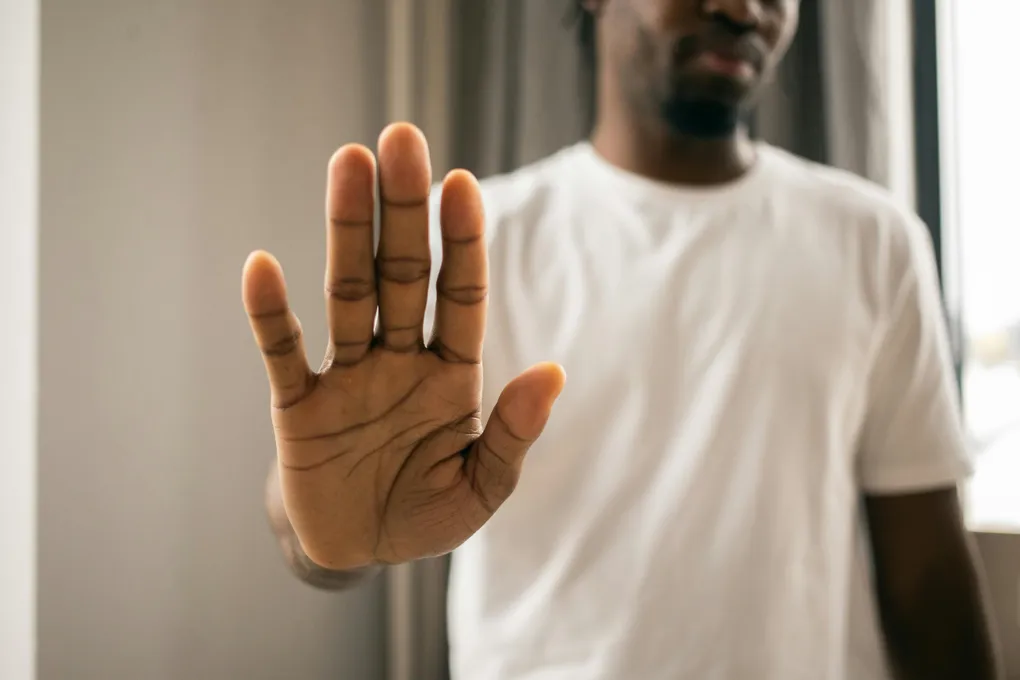
- You can always say no. A firm “bù yào” (no / don’t) and a clear hand gesture is understood and respected.
- Decline photos if you’re uncomfortable — just shake your head and walk on; it’s not rude.
- In crowds, keep your bag in front of you and move to more space if someone stands too close.
- Trust your instincts. If a situation feels off, step into a shop, hotel, or busy area — staff will help, and people are generally protective of guests.
- For anything serious, call 110 (police); officers take incidents involving foreigners seriously, and many tourist areas have police booths.
The attention is almost always harmless fascination, not a threat — but knowing it’s coming makes it much easier to shrug off.
Common scams to watch for
China is low-scam by global standards, but a few persist around tourist hotspots:
- The “tea house” or “art student” scam. Friendly English-speakers invite you to a tea ceremony or gallery, then present a huge bill. Politely decline invitations from strangers near major sights.
- Taxi overcharging. Use Didi instead of flagging cars; the fare is fixed and tracked.
- Fake goods and pressure selling at markets. Bargain hard and only buy what you actually want.
Health & staying well
- Drink bottled or boiled water, never tap.
- Street food is generally safe if it’s busy and freshly cooked — high turnover means fresh ingredients.
- Air quality varies; check an app like AQI and carry a mask for high-pollution days.
- Carry any prescription medication in its original packaging, plus a doctor’s note, as some common Western medicines are restricted.
Emergencies
- Police: 110 · Ambulance: 120 · Fire: 119
- Save your country’s embassy contact details offline.
- Major cities have international hospitals and clinics with English-speaking staff — your hotel can point you to the nearest.
The bottom line
Use the same street smarts you would anywhere, watch the traffic, and be politely wary of over-friendly strangers near tourist sites. Beyond that, you can relax and enjoy — China is a remarkably safe place to travel.