Good news: China has a deep vegetarian tradition rooted in Buddhism, and the produce is incredible. The catch: “vegetarian” isn’t always understood the way you expect, and meat or broth can sneak into “veg” dishes. With a little know-how, you’ll eat brilliantly.
The hidden traps
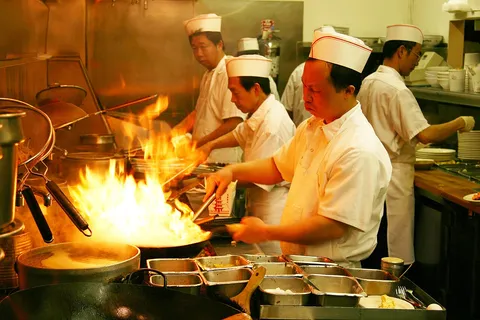
- Meat as a “seasoning.” A vegetable dish may be cooked with bits of pork, lard, or in a meat broth — even if it looks meat-free.
- “没有肉” isn’t enough. Saying “no meat” can be read as “no big chunks of meat” — stock, fish sauce, and oyster sauce may remain.
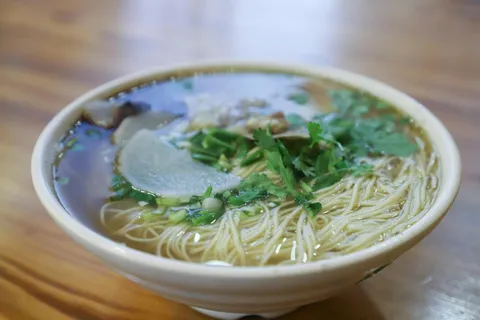
- Lard and chicken stock are common cooking fats/bases, especially in noodles and soups.
The fix is to be specific (see phrases below) and, when it matters, choose vegetarian-friendly places.
Dishes that are usually safe
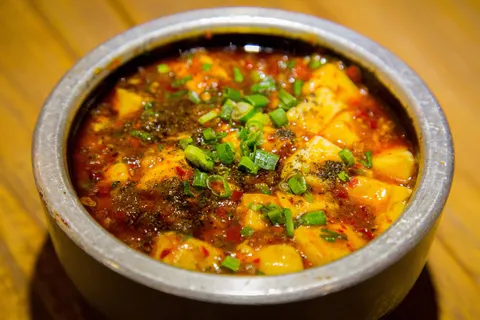
- Mapo tofu — ask for it without minced meat (素麻婆豆腐).
- Dry-fried green beans, garlic bok choy, sautéed greens — ask “no meat, no broth.”
- Mushrooms and tofu in countless forms — China does these beautifully.
- Scrambled egg & tomato (番茄炒蛋) — a comforting staple (not vegan).
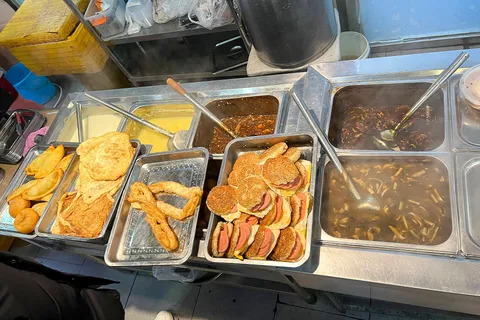
- Steamed buns (馒头), plain rice, congee, jianbing (hold the meat) for quick bites.
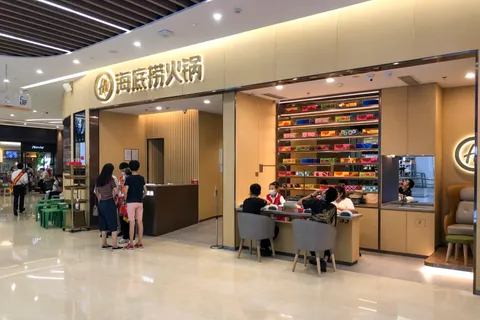
- Hotpot — order a mushroom or tomato broth and a pile of veg, tofu and noodles.
Buddhist & vegetarian restaurants
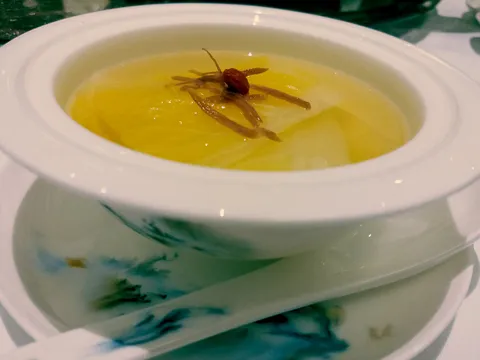
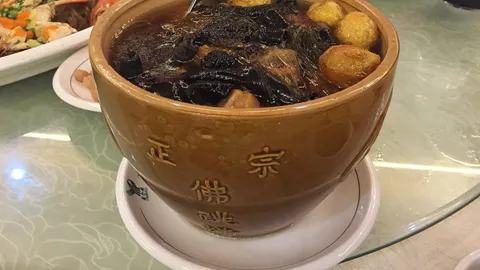
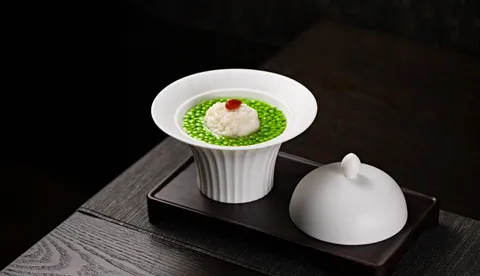
Look for 素食 (sùshí) restaurants and temple canteens — fully vegetarian, often vegan, and a highlight in their own right. Many serve incredible mock meats made from tofu, gluten and mushroom. Big cities also have a growing number of modern vegan cafés.
Famous vegetarian restaurants worth seeking out
China has some genuinely celebrated meat-free institutions — well worth a meal even if you’re not vegetarian.
Shanghai
- Gongdelin (功德林) — the legendary Buddhist vegetarian house, open since 1922, famous for elaborate mock-meat banquet dishes.
- Fu He Hui (福和慧) — Michelin-starred vegetarian fine dining; a refined tasting-menu experience.
- Dashu Wujie (大蔬无界) — stylish modern vegetarian with several branches.
Beijing
- King’s Joy (京兆尹) — elegant Michelin-starred vegetarian beside the Lama Temple.
- Pure Lotus (净心莲) — serene, Buddhist-themed restaurant with creative dishes.
- Tianchu Miaoxiang (天厨妙香) — popular, good-value vegetarian, easy to find in Beijing and Shanghai.
Chengdu
- Wenshu Monastery (文殊院) vegetarian hall — a beloved, inexpensive temple restaurant.
Hangzhou
- Lingyin Temple (灵隐寺) vegetarian — the canteen by one of China’s great monasteries.
Book ahead for the fine-dining and Michelin spots; temple restaurants are cheap, casual and welcoming.
Apps & finding places
- Search “素食” (vegetarian) or “纯素” (vegan) on Dianping or maps apps.
- HappyCow lists veg-friendly spots in major cities.
- Use a translation app to confirm ingredients.
Handy phrases
- I’m vegetarian — 我吃素 (wǒ chī sù)
- I’m vegan — 我吃纯素 / 我不吃蛋奶 (wǒ chī chún sù)
- No meat, no fish, no broth — 不要肉,不要鱼,不要肉汤 (bù yào ròu, bù yào yú, bù yào ròu tāng)
- No egg, no dairy — 不要鸡蛋,不要奶 (bù yào jīdàn, bù yào nǎi)
- Show this written down or on your phone — it’s clearer than spoken.
Tips
- Cities are easy; rural areas are harder — carry snacks for long travel days.
- Sichuan and Cantonese cuisines have lots of veg options; be extra careful with broths.
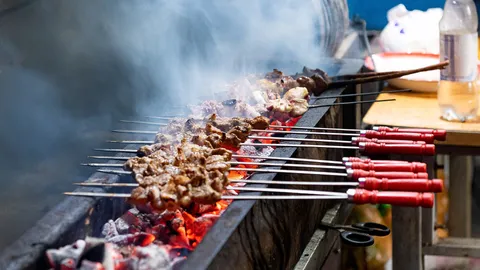
- Xinjiang and northern food is meat-heavy — lean on noodles, flatbread and veg sides.
- Be patient and specific, and you’ll discover that meat-free China is a delight, not a compromise.